
Fur tanning is one of the oldest ways of preserving an animal skin and turning it into a practical, durable material. On this hands-on two-day course, Dr. Theresa Emmerich Kamper will introduce you to the traditional skills and techniques used to transform a raw fur into a soft, flexible and usable finished material.
Working with a fur pelt provided as part of the course, you will learn the complete tanning process from preparing the skin through to the final smoking stage. The course is designed to give you a genuine understanding of what is involved rather than simply demonstrating a finished process, with you carrying out the practical work yourself throughout the weekend.
You will learn how to rehydrate and prepare the pelt, remove the unwanted tissue, apply the tanning dressing and then work the hide as it dries to develop the characteristic softness and flexibility of traditionally tanned fur.
The final stage is smoking the finished hide, an important part of the traditional process which helps protect the leather and gives the finished fur its characteristic appearance and feel.
At the end of the course, you will take home the fur you have worked on, together with the knowledge and practical experience needed to continue developing your tanning skills.
No previous experience of tanning is required. The emphasis throughout is on practical learning, giving you the opportunity to develop a skill that has been used for thousands of years to make valuable use of animal skins.




OPTION 1:
Buy this course as a gift voucher for someone else. Valid for 18 months.
BUY GIFT VOUCHER
OPTION 2:
Choose the number of places, pay a deposit now and the balance 8 weeks before the course starts or pay in full now.
Select from the dates below.
Fur tanning is one of the oldest ways of preserving an animal skin and turning it into a practical, durable material. On this hands-on two-day course, Dr. Theresa Emmerich Kamper will introduce you to the traditional skills and techniques used to transform a raw fur into a soft, flexible and usable finished material.
Working with a fur pelt provided as part of the course, you will learn the complete tanning process from preparing the skin through to the final smoking stage. The course is designed to give you a genuine understanding of what is involved rather than simply demonstrating a finished process, with you carrying out the practical work yourself throughout the weekend.
You will learn how to rehydrate and prepare the pelt, remove the unwanted tissue, apply the tanning dressing and then work the hide as it dries to develop the characteristic softness and flexibility of traditionally tanned fur.
The final stage is smoking the finished hide, an important part of the traditional process which helps protect the leather and gives the finished fur its characteristic appearance and feel.
At the end of the course, you will take home the fur you have worked on, together with the knowledge and practical experience needed to continue developing your tanning skills.
No previous experience of tanning is required. The emphasis throughout is on practical learning, giving you the opportunity to develop a skill that has been used for thousands of years to make valuable use of animal skins.

Preparing the Fur
The course begins by looking at the structure of the pelt and the stages involved in transforming a raw skin into a finished piece of fur.
You will learn how to:
- Rehydrate the pelt and prepare it for tanning.
- Correctly handle and prepare the skin.
- Flesh the pelt and remove unwanted tissue.
- Prepare the leather side of the skin for the tanning process.
- Identify the different stages of the process and understand what is happening to the hide as you work.
Understanding the preparation stages is essential to producing a successful finished fur, and Theresa will explain the reasons behind each stage rather than simply showing you what to do.

The Tanning Process
You will then learn how to prepare and apply the tanning dressing and begin the process of transforming the prepared hide.
The practical work includes:
- Preparing the tanning dressing.
- Applying the dressing correctly.
- Working the hide as it dries.
- Developing softness and flexibility in the leather.
- Understanding how to recognise and deal with problems during the tanning process.
A significant part of the course involves working the hide by hand, so you should expect to spend around 6–8 hours each day actively involved in the practical work.
Theresa will explain the different stages as you work, giving you an understanding of both the practical techniques and the traditional principles behind them.

Softening and Smoking
One of the most important stages in traditional fur tanning is developing the finished softness of the leather.
You will learn how to work the drying hide to produce soft, flexible leather while retaining the fur, before moving on to the final smoking process.
Smoking is an important traditional technique and forms the final stage of the tanning process. You will learn how and why it is carried out and how it contributes to the preservation and characteristics of the finished fur.
Your Finished Fur
This is a practical course, and you will be working on your own pelt throughout the process.
The fur you work on is yours to take home at the end of the course, giving you a finished example of the tanning process as well as the experience of having carried out the work yourself.
Theresa will also provide supporting course information and handouts to help you continue practising and developing your skills after the course.
All tools and equipment specific to the fur-tanning process are provided.
Food & Logistics
We want you to be able to concentrate on getting the most from the course, so we have kept the practical arrangements as straightforward as possible. There are, however, a few things to be aware of when planning your food, accommodation and travel.
Food
This is a completely self-catered course, so you will need to bring your own food for the duration of your stay.
Given the nature of the course and the limited time available for meal preparation, we recommend bringing quick, dehydrated or boil-in-the-bag meals for lunches and evening meals. This allows you to eat well without taking significant time away from the practical work.
There will also be a small selection of meals available to purchase on site if required.
Accommodation
Accommodation is provided from the first morning of the course through to the final day.
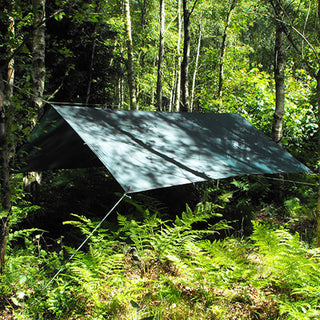
The accommodation is based around camping on the nearly wild camping pitches within the site, giving you a range of options depending on your preferred way of camping. Tents, tarps and hammocks are all suitable.
If you would like to arrive before the course begins or stay on after it finishes, additional camping is available on site at £10 per person, per night.
For those looking for a little more comfort, we also have a selection of bell tent options available for the duration of the course and will be available for the night before and night after the course at no extra cost:
- Shared bell tent – £50 per person, per course
Bell tents accommodate up to three people and are allocated by gender. - Shared bell tent with bed and chair – £100 per person, per course
These bell tents accommodate up to three people and are allocated by gender. Each person has their own bed and chair. - Private pitch with bell tent, bed and chair plus fire pit – £250 per person, per course
This option provides your own private camping pitch with a bell tent and fire pit.
Select your preferred option from the pull down menu when booking your place.
Travel
A pick-up and drop-off service from Haddington is available at set times determined by the course schedule, at £10 per person.
If you are travelling further afield, transport from Edinburgh Airport or Edinburgh Waverley can also be arranged at an additional cost. Please contact us in advance if you would like to discuss your travel arrangements.
Woodland Ways Pre-ordered Kit Collection Service
If you need any additional equipment for the course, kit purchased from Woodland Ways can be pre-ordered up to 72 hours before the course and collected when you arrive.
This can be a convenient way of making sure you have everything you need without having to bring it with you on your journey.
Simply select 'Pickup' when ordering the items and add this course attendance into the 'Add order notes' field during checkout.
About Dr. Theresa Emmerich Kamper
Dr. Theresa Emmerich Kamper is an internationally respected practitioner and teacher of traditional living skills and primitive technologies, with over three decades of hands-on experience.
Originally from Wyoming, USA, Theresa grew up immersed in hunting, fishing, and trapping in vast wilderness landscapes. Learning to tan hides became a natural extension of a family ethic centred on using as much of the animal as possible. Between the ages of 11 and 13, she was already brain tanning skins—developing skills that would later form the foundation of her academic and professional life.
Theresa holds:
- An MA in Experimental Archaeology
- A PhD from the University of Exeter, specialising in Microscopic Analysis of Prehistoric Tanning Technologies
She has been teaching traditional tanning methods for over 15 years, working with audiences ranging from bushcraft practitioners to university students.
Her teaching style blends deep academic knowledge with extensive personal experience, covering everything from skin morphology to practical problem-solving and troubleshooting—the often overlooked realities of learning these demanding skills.
In addition to tanning technologies, Theresa has taught and demonstrated a wide range of traditional skills, including:
- Traditional weapon construction and use
- Plant and animal fibre processing
- Patterning and clothing construction
- Basketry
- Clay processing, pottery manufacture, and firing
- Shelter construction
- Friction fire lighting
- Flint knapping and stone tool use
In Summary
This course is for you if you have an interest in traditional skills, natural materials, primitive technology or making practical use of animal products, and would like to learn how to tan fur for yourself.
You don't need any previous tanning experience. The course is designed to take you through the process from the beginning, with Theresa explaining each stage and giving you the opportunity to carry out the practical work yourself.
It is, however, a hands-on and physical course. You will spend much of the two days working with the pelt, and the process requires patience, effort and attention to detail.
By the end of the weekend, you will have followed the complete process from raw pelt through to a soft, smoked and usable fur, which you can take home with you.
More importantly, you will have gained an understanding of the principles and techniques involved in traditional fur tanning, giving you the foundation to continue experimenting with this fascinating traditional skill.