
The Woodland Ways Week is a carefully paced, five-day immersion into woodland living, bushcraft, and self-reliance—designed for those who value depth, discretion, and genuine skill development. It represents a deliberate step away from modern convenience and towards a quieter, more competent way of living in the natural world.
This is not a survival course, nor is it about endurance or deprivation. Instead, it is an invitation to live well in the woodland using sound judgement, traditional craft, and simple tools. Comfort, efficiency, and attentiveness are prioritised throughout, allowing participants to experience what it means to be truly settled in one place.
The course is best suited to those with prior bushcraft experience. Participants should already be comfortable camping outdoors, lighting fires with a ferro rod, and spending extended periods away from modern infrastructure. This ensures the week can unfold at a considered pace, with less emphasis on instruction and more on refinement, understanding, and practice.
Food during the week is centred on wild game and seasonal resources, reflecting availability and ethical sourcing. Vegetarian and other dietary requirements can be accommodated with prior notice and are approached with equal care and respect.




OPTION 1:
Buy this course as a gift voucher for someone else. Valid for 18 months.
BUY GIFT VOUCHER
OPTION 2:
Choose the number of places, pay a deposit now and the balance 8 weeks before the course starts or pay in full now.
Select from the dates below.
The Woodland Ways Week is a carefully paced, five-day immersion into woodland living, bushcraft, and self-reliance—designed for those who value depth, discretion, and genuine skill development. It represents a deliberate step away from modern convenience and towards a quieter, more competent way of living in the natural world.
This is not a survival course, nor is it about endurance or deprivation. Instead, it is an invitation to live well in the woodland using sound judgement, traditional craft, and simple tools. Comfort, efficiency, and attentiveness are prioritised throughout, allowing participants to experience what it means to be truly settled in one place.
The course is best suited to those with prior bushcraft experience. Participants should already be comfortable camping outdoors, lighting fires with a ferro rod, and spending extended periods away from modern infrastructure. This ensures the week can unfold at a considered pace, with less emphasis on instruction and more on refinement, understanding, and practice.
Food during the week is centred on wild game and seasonal resources, reflecting availability and ethical sourcing. Vegetarian and other dietary requirements can be accommodated with prior notice and are approached with equal care and respect.
Woodland Ways Week - 5 Day Survival Course
Woodland Ways Week - 5 Day Survival Course
Woodland Ways Week - 5 Day Survival Course
Woodland Ways Week - 5 Day Survival Course
Woodland Ways Week - 5 Day Survival Course
Woodland Ways Week - 5 Day Survival Course
Woodland Ways Week - 5 Day Survival Course
Woodland Ways Week - 5 Day Survival Course
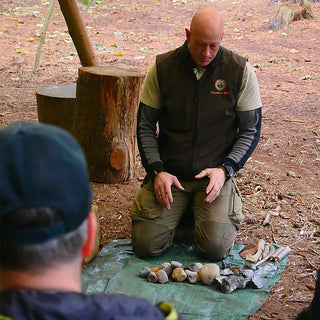
Arrival & Issued Equipment
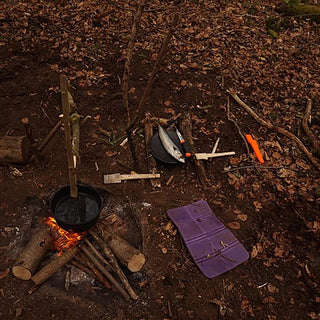
On arrival, participants are welcomed into the woodland and introduced to the camp environment. Each person is issued a concise selection of core equipment, chosen for its versatility and reliability:
- Bushcraft knife
- Saw
- Fire steel
- Dutch oven
- Water container
- Basha (shelter tarp)
This equipment forms the foundation from which the essential principles of woodland living—fire, food, shelter, and water—are explored. As the week progresses, reliance on issued items is gradually reduced, not through requirement, but through growing confidence and capability.
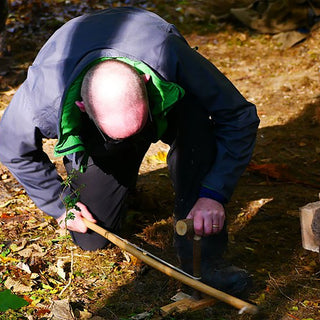
Establishing Camp & First Evening
The opening phase focuses on establishing a personal camp. With guidance from the instructor team, participants select appropriate sites, erect shelters, gather firewood, and manage the communal fire. Instruction is present but understated, allowing individuals to develop their own rhythm and approach.
Attention then turns to food preparation. Instructors demonstrate the respectful processing of a deer, exploring the use of meat, hide, sinew, and bone. This forms the basis of the first evening meal, cooked communally in a traditional ground oven using heated stones.
As darkness falls, participants are encouraged to minimise artificial light, allowing the woodland to assert itself. This first night establishes the tone for the week—quiet, attentive, and grounded.
Shelter as a Place to Live
Following breakfast, focus shifts to constructing a more substantial shelter—one that will serve as home for the remainder of the course. Using natural materials sourced from the woodland, participants design and build structures that balance protection, airflow, and comfort.
This phase is unhurried. Time is given to refine details, improve insulation, and create a space that feels settled rather than temporary. A well-considered shelter becomes central to the experience, offering rest, warmth, and a sense of belonging within the landscape.
Woodland Skills, Awareness & Movement
Afternoons are devoted to developing a deeper understanding of the woodland and its inhabitants. Foraging sessions explore edible and useful plants, tree identification, seasonal cycles, and safe harvesting practices.
As evening approaches, attention turns to track and sign. Participants learn to recognise movement patterns, feeding behaviour, and subtle indicators of animal presence. Individual guidance is available to refine movement, posture, and awareness when travelling through the woodland.
Reducing Reliance, Increasing Confidence
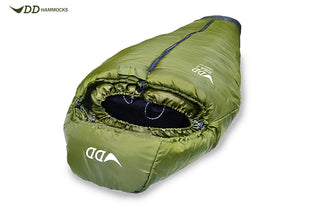
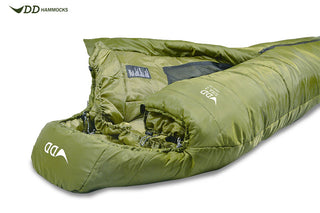
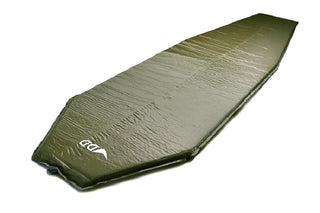
As the week progresses, participants are invited—never required—to relinquish elements of their issued kit. This may include giving up a basha, saw, or fire steel, and later a knife or sleeping system.
This process is always voluntary and guided by readiness rather than expectation. The intention is not austerity, but assurance: understanding that modern tools are useful, not essential, when skills are sound.
Fire by Friction & Personal Craft
A dedicated morning is given to friction fire lighting, including bow drill and hand drill. Instruction is patient and precise, allowing participants to experience both the challenge and satisfaction of creating fire through skill alone.
Throughout the week, time is set aside for crafting personal equipment from natural materials. Using wood, plant fibres, flint, and bramble, participants may choose to create items such as:
- Cooking utensils
- Cordage
- Baskets or strainers
- Flint tools
- Simple traps and woodland implements
Projects are self-directed, with instructors offering support where required.
Navigation, Stillness & Observation
Evenings provide opportunities to broaden awareness further. Weather permitting, participants are introduced to celestial navigation, learning to orient themselves using the night sky.
For those who wish, an early-morning sit spot offers a chance to observe the woodland at first light. This quiet practice encourages patience and attentiveness, often rewarded with close wildlife encounters.
Water, Rest & a Fully Wild Meal
Later in the week, attention turns to water sourcing, filtration, and purification, using low-technology methods appropriate to woodland environments.
Participants also gather materials to construct a natural bed, further reducing reliance on modern sleeping systems and deepening comfort within the shelter.
One evening is dedicated to preparing a meal made entirely from wild ingredients, bringing together foraging, processing, and cooking skills developed throughout the week.
Final Evening & Reflection
On the final night, the group gathers around a communal fire. Conversation is unstructured, offering space for reflection, shared experience, and a natural closing to the time spent together.
Woodland Sauna & Departure
The final morning concludes with the construction and use of a traditional woodland sauna—a restorative and fitting end to the immersion. The course concludes at midday, allowing time for onward travel.
Participants leave with the items they have crafted themselves—objects shaped by time, attention, and use.
In Summary
The Woodland Ways Week - 5 Day Survival Course is defined by restraint, competence, and depth. It is designed to increase confidence and connection rather than test limits. No participant is required to undertake anything they are uncomfortable with, and learning is always guided by choice and readiness.
To spend a week living simply in the woodland—crafting what you need, cooking over fire, observing wildlife, and moving at the pace of the land—is a rare and rewarding experience.
For those seeking an immersive introduction to settled woodland living, delivered with discretion, professionalism, and care, the Woodland Ways Week offers an experience of lasting value.
5 Star Customer Review
Feel free to read all our reviews on Google but here's one to get you started...
I went on the 5 day Survival Course in their Oxfordshire site, led by instructors Barry and Bill (special shout-out to Luna the labrador too!) and had one of the best weeks of my life. The group ranged from experienced outdoorsmen/women all the way to me (been camping but not much else). I was nervous going into it, but it was the perfect blend of practical classes/instructor support and just being left to get on with it - to try the techniques, utilise the knowledge I’d been given in my own time and space and I came away with a wealth of knowledge and having had the opportunity to put it all into practise.
Being new to bushcraft, it wasn’t all smooth sailing all the time - I struggled to light my fire, I knew nothing about the different trees/plants, sometimes it was rainy, but I always knew I could ask for help or advice at any time and it would be happily given. However what was most enjoyable was trying, failing, trying again and eventually succeeding. By the end of the course I was sitting in a shelter I built with my own hands, using a fire I’d started, cooking some game I’d processed on my own with some self-made damper bread on the side. I even managed to carve some (very rudimentary) eating utensils. That feeling of satisfaction and pride was second to none!
Being afraid of not getting it right the first time, or having less experience should not be a barrier to coming on this course, as long as you have the attitude of “just keep trying, and every failed attempt is a lesson”. It will eventually click and you’ll be so grateful for the struggles it took to get there, because now you know how to do it.
Some of the more experienced coursemates used all sorts of interesting techniques and knowledge to tailor their own experiences, but it never felt competitive and everyone was willing to share useful tidbits of information that I could use to improve my skills - there is a lot of freedom in how you complete the course; the instructors make sure that you know what you need to know, regarding fire, shelter, food and foragaing and then it’s up to you in how you utilise it. There are also lots of very interesting optional sessions you can get involved in that you don’t necessarily need to complete the course but that will enhance your knowledge and techniques in many different areas. So the perfect course (in my opinion) for experienced and total newbies alike.
The woodland was beautiful and large (oxfordshire), the flora and fauna was bountiful and varied and both the instructors were friendly, patient, full of good humour and most importantly really knew their stuff. Massive massive thank you to Barry, Bill and everyone behind the scenes that make this experience possible for people. I’m so grateful for all of your hard work.
If you’re toying with the idea of coming on one of their courses, but theres that little nagging voice whispering doubts that you’re not good enough, just do it. Go for it, try for yourself and you’ll be surprised what you’re capable of. I did, and I’m so glad I did and, as I’ve said - I’m a total noob!
Rob