

The Woodland Ways Wildlife Watching and Tracking in Croatia expedition is a refined, evidence-led exploration of European wildlife, set within one of the continent’s most intact and quietly powerful ecosystems. Based in and around Risnjak National Park, this experience is designed for those who value depth, patience, and informed observation over chance encounters or spectacle.
Risnjak National Park, Croatia’s first designated national park, encompasses more than 6,000 hectares of old-growth fir, spruce, and beech forest. It is one of the few remaining European landscapes where all three large apex predators—the brown bear, grey wolf, and Eurasian lynx—continue to shape the ecosystem. Their presence is not proven through guaranteed sightings, but revealed through sign, behaviour, and subtle ecological patterns that reward careful study.
This expedition is not about searching for animals. It is about learning how to read the landscape—to interpret tracks, trails, feeding sign, movement corridors, and behaviour with clarity and confidence. Time is spent working with real evidence, deploying and analysing camera traps, and observing wildlife during key activity windows, building a nuanced understanding of how animals truly live within this environment.




1. Choose the number of places you want to book.
2. Choose to pay a deposit or the full amount.
The balance payment is required no less than 8 weeks before your course commences. You will receive an invoice shortly after booking for the balance payment.
Please pay in full if the course start date falls within that period.
3. Click ’Next’ and complete the attendee details for each place you have booked.
The Woodland Ways Wildlife Watching and Tracking in Croatia expedition is a refined, evidence-led exploration of European wildlife, set within one of the continent’s most intact and quietly powerful ecosystems. Based in and around Risnjak National Park, this experience is designed for those who value depth, patience, and informed observation over chance encounters or spectacle.
Risnjak National Park, Croatia’s first designated national park, encompasses more than 6,000 hectares of old-growth fir, spruce, and beech forest. It is one of the few remaining European landscapes where all three large apex predators—the brown bear, grey wolf, and Eurasian lynx—continue to shape the ecosystem. Their presence is not proven through guaranteed sightings, but revealed through sign, behaviour, and subtle ecological patterns that reward careful study.
This expedition is not about searching for animals. It is about learning how to read the landscape—to interpret tracks, trails, feeding sign, movement corridors, and behaviour with clarity and confidence. Time is spent working with real evidence, deploying and analysing camera traps, and observing wildlife during key activity windows, building a nuanced understanding of how animals truly live within this environment.
Arrival & Cultural Setting
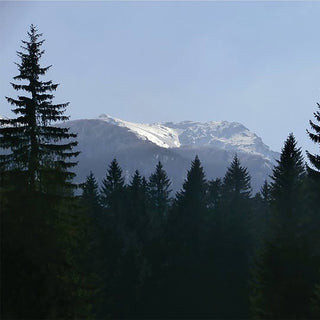
Participants are collected in Zagreb and transferred to the mountain village of Crni Lug, a traditional settlement at the edge of Risnjak National Park. This two-hour journey marks a gradual transition from urban life into a slower, more deliberate rhythm.
Accommodation is provided in a private home adapted for small groups and hosted by local Croatian families. This setting offers warmth, discretion, and a genuine sense of place. Meals are prepared using seasonal, locally sourced ingredients and reflect regional culinary traditions. Evenings are unhurried and often spent reviewing the day’s observations, maps, and camera footage in a relaxed but focused atmosphere.
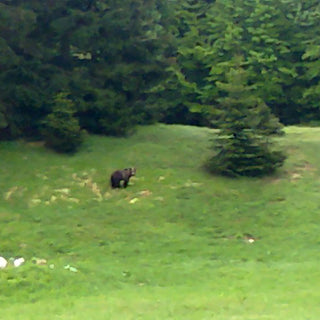
On arrival, instructors deliver a comprehensive ecological briefing, introducing the park’s predator dynamics, prey species, and habitat structure. The first evening concludes with a dusk sit-spot in an area known for bear and wild boar activity—an understated yet powerful introduction to the week ahead.
Dawn, Dusk & Attentive Observation
Wildlife operates according to light, temperature, and pressure rather than human schedules. Early mornings and late evenings therefore form the backbone of the expedition.
Participants are encouraged to take part in regular dawn and dusk sit-spots, returning to accommodation for meals between observation periods. These sessions cultivate stillness, patience, and heightened sensory awareness, allowing subtle patterns of movement, sound, and behaviour to become apparent over time.
This approach fosters restraint and discipline—essential qualities in serious wildlife study—and reinforces the value of waiting rather than pursuing.
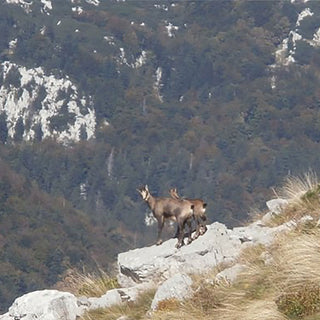
Risnjak National Park: Landscape & Ecological Context
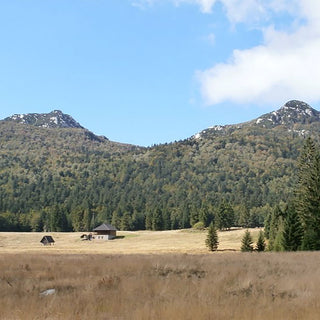
Early in the expedition, the group undertakes a guided exploration of the Leska Trail, a carefully chosen route that introduces the park’s geology, hydrology, and ecological layering.
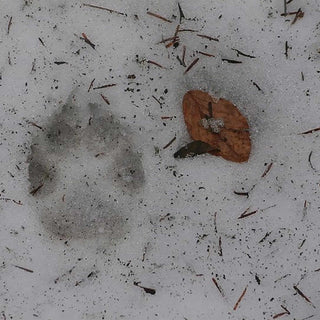
Even close to established paths, evidence of wildlife activity is abundant. Tracks, scat, browse lines, and territorial markers provide immediate learning opportunities. Instructors also introduce key plant species and indicator flora, explaining their role within the wider ecosystem and their relationship to animal behaviour.
This foundational understanding informs all subsequent fieldwork.
Intensive Tracking & Field Investigation
From the third day onward, the expedition shifts into a more focused investigative phase. Participants work in small teams, each guided by the instructor, responding dynamically to fresh sign, weather conditions, and animal movement.
Activities may include: - Tracking large and small mammals across varied terrain - Interpreting feeding sign, trails, and bedding areas - Identifying and monitoring movement corridors - Deploying, retrieving, and analysing remote camera traps - Mapping and recording data with professional consistency
The programme remains deliberately adaptive. One day may involve following fresh wolf sign across ridgelines; another may centre on interpreting bear feeding behaviour or analysing nocturnal footage from camera traps. Overnight vigils from a remote cabin within the park provide extended observation opportunities, particularly for bear, deer, and nocturnal species.
Ethnobotany & Local Knowledge
Beyond animal tracking, participants benefit from the knowledge of local hosts whose relationship with the land spans generations.
On selected days, you may accompany your hosts to gather plants used traditionally for medicinal purposes. These are later processed into creams, balms, and teas, offering insight into regional ethnobotany and reinforcing the interconnectedness of people, plants, and wildlife within the landscape.
Contribution to Conservation
Throughout the expedition, observations of wildlife, tracks, and plant species are carefully documented. This data is shared with Risnjak National Park authorities and contributes to ongoing international citizen science initiatives, ensuring that time spent in the field has meaningful scientific value.
This approach reinforces Woodland Ways’ commitment to responsible, evidence-led engagement with the natural world.
Accommodation, Comfort & Practicalities
Accommodation is comfortable, discreet, and well-suited to reflective fieldwork, typically offered on a twin-share basis. A limited number of single-room supplements are available. Many participants value the shared setting as part of the expedition’s information sharing atmosphere.
Food is consistently highlighted as a strength of the experience—hearty, regional, and thoughtfully prepared. Dietary requirements can be accommodated with advance notice. The expedition environment is welcoming to solo travellers.
Final Day & Departure
If conditions allow, the expedition concludes with an optional ascent to the highest point within Risnjak National Park. This elevated terrain offers expansive views across the surrounding mountains and, on occasion, sign of the elusive chamois.
Participants are then transferred back to Zagreb, marking the close of a week defined by attentiveness, learning, and quiet engagement with one of Europe’s most compelling wild landscapes.
In Summary
Wildlife Watching and Tracking in Croatia is a composed and deeply rewarding expedition—one that privileges understanding over encounter and patience over pursuit.
Participants leave with sharpened tracking ability, refined observational skills, and a deeper appreciation for how large predators and prey shape the European landscape. It is an experience characterised by professionalism, restraint, and moments of genuine connection that emerge only through time, stillness, and respect.
Safety & Professional Standards
All Woodland Ways expeditions operate in accordance with The Package Travel and Linked Travel Arrangements Regulations 2018, ensuring financial protection where applicable. Overseas expeditions are aligned with the British Safety Standard BS8848, reflecting our commitment to rigorous planning, risk management, and professional delivery.
Expeditions into extreme environments require experience, preparation, and accountability. Woodland Ways and our trusted partners are long‑established, highly regarded, and operate to exacting professional standards. We welcome informed questions and are confident in the systems in place to support you throughout this exceptional expedition.