
The Woodland Ways Autumn Foraging Course is an immersive exploration of the edible, medicinal, and practical plants that reach their peak as the landscape shifts into harvest season. Delivered by highly qualified instructors with deep and varied knowledge, this course offers far more than plant identification—it provides a cultivated understanding of how humans have traditionally gathered, preserved, and prepared food for the colder months ahead.
Autumn is a season of abundance, maturity, and transition. Fruits, seeds, nuts, roots, and late-season leaves are at their most valuable, offering dense nutrition, medicine, and materials at a time when preparation and foresight are essential. On this carefully paced day, you will be guided through woodlands and natural spaces rich with seasonal resources, learning how to recognise, harvest, and utilise them responsibly.
Instruction draws on extensive professional experience and lived practice, exploring each plant as a complete resource. Edibility, medicinal value, seasonal timing, storage potential, historical use, and modern application are all considered. Where appropriate, instructors will share preparation techniques, preservation methods, and refined recipe ideas—connecting traditional knowledge with contemporary relevance.
The experience is intentionally unhurried, allowing time for thoughtful discussion, note-taking, photography, and questions. The aim is to foster deep understanding rather than memorisation, ensuring your learning is practical, confident, and enduring.



This course runs in Derbyshire , East Lothian and Oxfordshire
OPTION 1:
Buy this course as a gift voucher for someone else. Valid for 18 months.
BUY GIFT VOUCHER
OPTION 2:
Choose the number of places, pay a deposit now and the balance 8 weeks before the course starts or pay in full now.
Select from the dates below.
The Woodland Ways Autumn Foraging Course is an immersive exploration of the edible, medicinal, and practical plants that reach their peak as the landscape shifts into harvest season. Delivered by highly qualified instructors with deep and varied knowledge, this course offers far more than plant identification—it provides a cultivated understanding of how humans have traditionally gathered, preserved, and prepared food for the colder months ahead.
Autumn is a season of abundance, maturity, and transition. Fruits, seeds, nuts, roots, and late-season leaves are at their most valuable, offering dense nutrition, medicine, and materials at a time when preparation and foresight are essential. On this carefully paced day, you will be guided through woodlands and natural spaces rich with seasonal resources, learning how to recognise, harvest, and utilise them responsibly.
Instruction draws on extensive professional experience and lived practice, exploring each plant as a complete resource. Edibility, medicinal value, seasonal timing, storage potential, historical use, and modern application are all considered. Where appropriate, instructors will share preparation techniques, preservation methods, and refined recipe ideas—connecting traditional knowledge with contemporary relevance.
The experience is intentionally unhurried, allowing time for thoughtful discussion, note-taking, photography, and questions. The aim is to foster deep understanding rather than memorisation, ensuring your learning is practical, confident, and enduring.
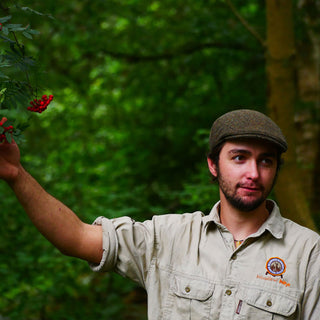
Autumn Foraging Course
Introducing you to Woodland Ways' philosophy on Bushcraft and survival skills.
Autumn Foraging Course
Introducing you to Woodland Ways' philosophy on Bushcraft and survival skills.
Autumn Foraging Course
Fire lighting materials, shelter building materials, cordage, materials to make baskets or tools are all out there in the woods to be discovered.
Autumn Foraging Course
Fire lighting materials, shelter building materials, cordage, materials to make baskets or tools are all out there in the woods to be discovered.
Autumn Foraging Course
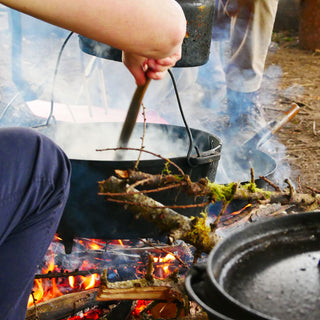
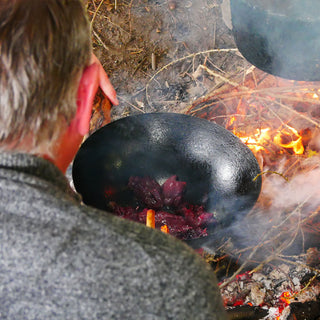
You will be involved with the cooking of your lunch in a communal effort, learning the valuable skill of Campfire Cooking.
Autumn Foraging Course
You will be involved with the cooking of your lunch in a communal effort, learning the valuable skill of Campfire Cooking.
Arrival & Ethical Foundations
On arrival at the car park, you will be welcomed by your instructors and introduced to the day’s focus. Before entering the landscape, we touch on the ethical and legal framework for foraging within the UK, ensuring clarity, responsibility, and confidence from the outset.
We explore sustainability, selective harvesting, and respect for both land and landowners. These principles underpin all Woodland Ways foraging instruction and ensure that you leave with not only knowledge, but a clear sense of stewardship.
Morning: Guided Forage & Insight
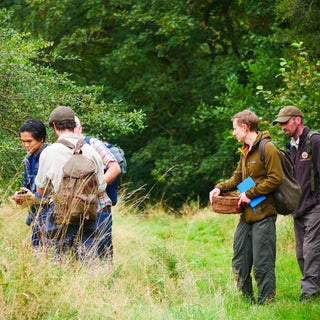
With bags on backs and foraging bags and baskets in hand, we begin our walk into the woodland. Routes are selected dynamically according to seasonal conditions and plant abundance, allowing instructors to respond organically to what the land is offering on the day.
Throughout the morning, the group pauses regularly to examine a wide range of autumn plants and trees. While edible and medicinal species form the primary focus, instruction extends well beyond food alone.
You will also explore how plants can be used for: - Natural firelighting and tinder - Shelter and insulation materials - Cordage and bindings - Basketry, tools, and simple functional crafts
Instructors demonstrate best practice for sustainable harvesting, explaining which parts of a plant may be taken, appropriate quantities, and methods that allow continued growth. Where suitable, you will be invited to taste plants directly from the source, developing sensory recognition alongside visual identification.
This time encourages a slower, more attentive way of moving through the landscape—learning to read subtle indicators, seasonal cues, and ecological relationships that transform woodland walks into meaningful engagement.
Afternoon: From Landscape to Table
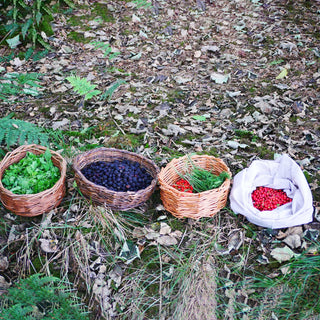
In the afternoon, we arrive at camp with baskets and bags containing carefully selected seasonal ingredients. The focus now shifts from gathering to refinement—transforming wild resources into a nourishing and delicious meal.
You will be guided to the game preparation area, where instructors demonstrate how to remove meat from a game bird. This forms the centrepiece of the lunch, with all dietary requirements fully catered for when notified at the time of booking.
Meal preparation is a communal and hands‑on experience, introducing you to the principles of campfire cookery. Using cast iron Dutch ovens over an open fire, alongside other traditional techniques, you will learn how controlled heat, timing, and simple methods can elevate flavour and texture.
This final session brings the course together with a look at resources to consider and a deeper discussion into the law—connecting ethical foraging, botanical understanding, and skilled preparation into a deeply satisfying conclusion.
A Transformative Experience
The Autumn Foraging Course is designed to be engaging, informative, and quietly transformative. It is suitable for complete beginners as well as those seeking to refine existing knowledge under expert guidance.
Participants consistently leave with increased confidence, sharpened awareness, and a renewed appreciation for the generosity and complexity of the natural world. Many find that their relationship with the landscape changes permanently—paths once walked without thought now rich with meaning and possibility.
This course offers a sophisticated seasonal introduction to foraging and forms a natural progression within the Woodland Ways training pathway.