

The Tracking Weekend Course offers a rare opportunity to develop deep awareness and understanding of wildlife through the ancient and highly refined art of tracking. Woodland Ways is internationally respected for its tracking knowledge, drawing on decades of experience within the UK and extensive training alongside some of the world’s leading tracking authorities.
The instructional team’s background spans tracking large game in South Africa under the CyberTracker system, working alongside the Maasai in Kenya, identifying lynx sign in Europe, and operating across the Middle East, Sahara, and jungle environments. These experiences inform a grounded, realistic approach that is firmly rooted in the UK landscape, yet enriched by global perspective. Encounters with animals such as bear and wolf shape a level of understanding that goes far beyond field guides and checklists.
This weekend is suitable for complete beginners, wildlife enthusiasts, and professionals alike, offering layered learning that rewards curiosity, patience, and observation.

13:00 Friday - 12:00 Sunday


OPTION 1:
Buy this course as a gift voucher for someone else. Valid for 18 months.
BUY GIFT VOUCHER
OPTION 2:
Choose the number of places, pay a deposit now and the balance 8 weeks before the course starts or pay in full now.
Select from the dates below.
The Tracking Weekend Course offers a rare opportunity to develop deep awareness and understanding of wildlife through the ancient and highly refined art of tracking. Woodland Ways is internationally respected for its tracking knowledge, drawing on decades of experience within the UK and extensive training alongside some of the world’s leading tracking authorities.
The instructional team’s background spans tracking large game in South Africa under the CyberTracker system, working alongside the Maasai in Kenya, identifying lynx sign in Europe, and operating across the Middle East, Sahara, and jungle environments. These experiences inform a grounded, realistic approach that is firmly rooted in the UK landscape, yet enriched by global perspective. Encounters with animals such as bear and wolf shape a level of understanding that goes far beyond field guides and checklists.
This weekend is suitable for complete beginners, wildlife enthusiasts, and professionals alike, offering layered learning that rewards curiosity, patience, and observation.

Tracking Weekend Course
Tracking Weekend Course

Tracking Weekend Course
Tracking Weekend Course

Tracking Weekend Course
Tracking Weekend Course
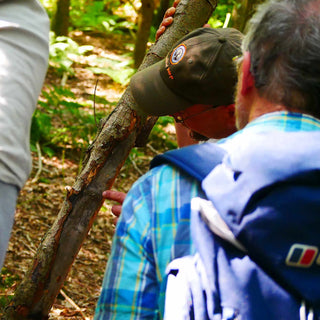
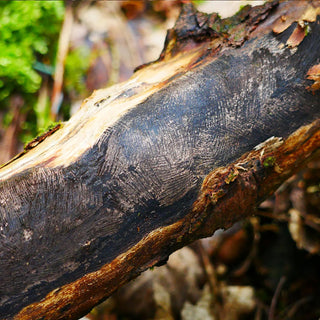
Friday – Foundations of Awareness
The course begins on Friday afternoon with an introduction to the principles of tracking and awareness. From the outset, the emphasis is on perception rather than pursuit—learning how animals experience the landscape and how human presence alters it.
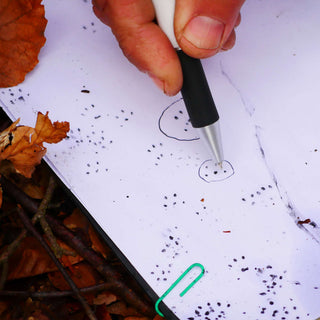
Participants are shown how to identify and create track traps, enabling them to see clearly how movement leaves sign and how subtle disturbance spreads through the environment. This practical work builds immediate understanding of the contrast between human and animal senses, behaviour, and priorities.
As daylight fades, the group gathers for an evening sit spot, a quiet period of observation and listening. Instructors guide discussion around behaviours witnessed, helping participants begin to interpret movement, sound, and absence as meaningful information rather than background noise.
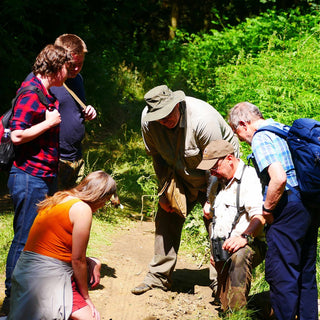
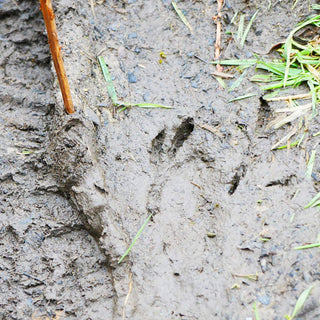
Saturday – Movement, Sign, and Interpretation
Saturday begins early with a dawn sit spot, when wildlife activity is at its peak. Participants learn how stillness, posture, and patience allow the woodland to settle and reveal itself.
The morning then focuses on stalking and movement techniques, teaching participants how to travel quietly and deliberately through woodland terrain. Skills include foot placement, rhythm, use of cover, natural camouflage, reading the landscape for advantage, and developing peripheral vision—key to noticing movement that would otherwise be missed.
Following lunch, the course moves into an intensive and highly practical exploration of track and sign. This goes far beyond simple identification. Participants learn to interpret:
- Gait patterns and movement rhythms
- Compression shapes and pressure releases
- Action indicators and behavioural clues
- Ageing of tracks and sign
- Feeding habits and feeding sign
- Kill sites and associated behaviour
- Species-specific movement and decision-making
The afternoon is spent applying this knowledge directly in the field, tracking alongside instructors and learning to link individual signs into a coherent story. As confidence grows, participants begin to experience a shift—from observing the woodland as visitors, to moving within it as aware, integrated participants.
A fresh track trap is set to capture overnight activity, ready for interpretation the following morning.
Sunday – Language, Tools, and Integration
Sunday begins once again with a morning sit spot, reinforcing the importance of quiet observation as a daily practice.
The group then explores the language of birds, learning how alarm calls, contact calls, and changes in behaviour can reveal the presence and movement of other animals. This skill dramatically expands situational awareness and allows tracking to continue even when ground sign is limited.
Participants are introduced to the tools of the trade, including trail cameras and animal calls, alongside best practice for recording and documenting tracks through photography and casting. Emphasis is placed on accuracy, ethics, and responsible use of technology.
The weekend concludes with a return to the track trap, where fresh signs are interpreted collectively, drawing together everything learned over the course. The programme finishes around midday, leaving participants with a deeper understanding not only of tracking, but of how to move through the natural world with attentiveness and respect.
In Summary
A focused and immersive introduction to tracking, centred on awareness, interpretation, and understanding the woodland as a living landscape. Participants learn to read tracks, signs, and movement with confidence, guided by experienced instructors and a grounded, realistic approach.
The weekend develops heightened perception and a deeper connection to place, leaving participants with skills that change how they move through and experience the natural world.