
The Wild Food Foraging and Preparation Weekend is a refined, skill-led immersion into the sourcing, preparation, and cooking of food directly from the landscape. Designed for those who value competence, understanding, and quality over novelty, this course offers a measured introduction to wild food grounded in safety, seasonality, and respect for the land.
Rather than focusing on lists of edible species, the weekend develops judgement. Participants learn how to assess plants and animals in context—understanding when to harvest, how to process correctly, and how to prepare food in a way that honours both flavour and resource. The emphasis is on calm, repeatable methods that can be applied long after the course has finished.
Instruction is delivered in a composed, supportive manner. Participation is always by choice, and no one is pressured beyond their comfort. The environment encourages confidence through depth of understanding.
Seasonality underpins every aspect of the weekend. What is gathered, cooked, and preserved reflects what the land is offering at that moment. This responsiveness is not incidental—it is central to developing a meaningful relationship with wild food.


OPTION 1:
Buy this course as a gift voucher for someone else. Valid for 18 months.
BUY GIFT VOUCHER
OPTION 2:
Choose the number of places, pay a deposit now and the balance 8 weeks before the course starts or pay in full now.
Select from the dates below.
The Wild Food Foraging and Preparation Weekend is a refined, skill-led immersion into the sourcing, preparation, and cooking of food directly from the landscape. Designed for those who value competence, understanding, and quality over novelty, this course offers a measured introduction to wild food grounded in safety, seasonality, and respect for the land.
Rather than focusing on lists of edible species, the weekend develops judgement. Participants learn how to assess plants and animals in context—understanding when to harvest, how to process correctly, and how to prepare food in a way that honours both flavour and resource. The emphasis is on calm, repeatable methods that can be applied long after the course has finished.
Instruction is delivered in a composed, supportive manner. Participation is always by choice, and no one is pressured beyond their comfort. The environment encourages confidence through depth of understanding.
Seasonality underpins every aspect of the weekend. What is gathered, cooked, and preserved reflects what the land is offering at that moment. This responsiveness is not incidental—it is central to developing a meaningful relationship with wild food.

Wild Food Foraging and Preparation Weekend
Damper bread cooked in a Dutch Oven
Wild Food Foraging and Preparation Weekend
Damper bread cooked in a Dutch Oven

Wild Food Foraging and Preparation Weekend
Collecting and processing flour from wild plants and sourcing other carbohydrates.
Wild Food Foraging and Preparation Weekend
Collecting and processing flour from wild plants and sourcing other carbohydrates.

Wild Food Foraging and Preparation Weekend
Game preparation.
Wild Food Foraging and Preparation Weekend
Game preparation.
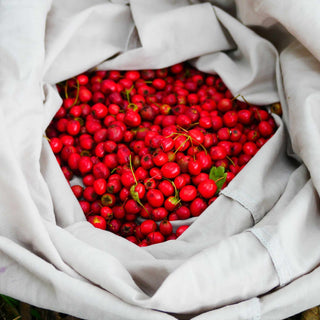
Friday – Arrival and Establishing Rhythm
Participants arrive on Friday afternoon and quickly settle into the rhythm of the weekend. The first task is the collection and preparation of ingredients for the evening meal, establishing an immediate connection between landscape, effort, and reward.
The initial focus is on birds as a food source, paired with appropriate seasonal plants. Instruction covers preparation, basic anatomy, hygiene, and efficient processing techniques. Cooking methods are deliberately simple and effective, including:
- Cooking directly in the embers of the fire
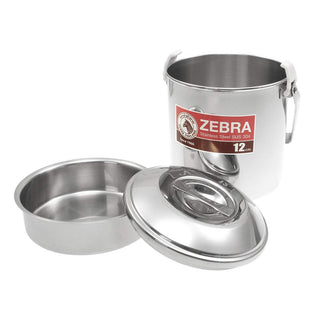
- Introduction to cast iron Dutch oven techniques
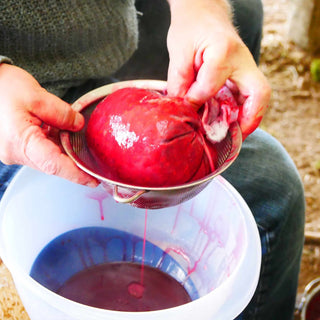
Alongside this, participants begin foraging for plants to complement the meal. Where conditions allow, wild fruits are processed into sauces, jellies, or preserves, demonstrating how flavour and surplus can be managed thoughtfully.
The evening concludes with a shared meal around the fire—unhurried, convivial, and quietly satisfying. This first meal sets the tone for the weekend: food prepared with care, eaten with attention, and shared in good company.
Saturday – Depth, Technique, and Understanding
Saturday begins with a substantial breakfast of damper bread cooked in a Dutch oven, accompanied by preserves made from wild ingredients. The pace of the day is steady rather than rushed, allowing learning to develop naturally.
The morning is dedicated to expanding plant knowledge and foraging range. Participants collect a wider variety of edible species while refining identification skills, harvesting ethics, and processing techniques. Attention is paid to recognising key features, avoiding common errors, and understanding how plants function within their ecosystems.
Wild teas and coffee substitutes are introduced, drawing on plants valued for both flavour and tradition. The plants gathered during the morning inform the midday meal, which incorporates further game preparation and fire-based cooking methods such as:
- Plank cooking
- Controlled grilling over open fire
The focus then broadens to mammals as a food source, covering anatomy, jointing, and respectful use of the whole animal. Instruction emphasises efficiency and care, ensuring nothing is wasted and quality is maintained throughout the process.
During the afternoon, attention turns to carbohydrates—an often overlooked but essential component of wild food systems. Participants learn how to:
- Identify and collect carbohydrate-rich wild plants
- Process these into usable flour and other food sources
As evening approaches, preparation begins for the central meal of the weekend: the cooking of a larger mammal in a ground oven. This method demonstrates communal, low-technology cooking at its most refined—slow, controlled, and deeply rewarding.
Sunday – Refinement and Continuity
Sunday begins with a relaxed breakfast before returning to plant collection and processing. The emphasis is on consolidation—revisiting techniques, refining understanding, and answering questions that have emerged over the weekend.
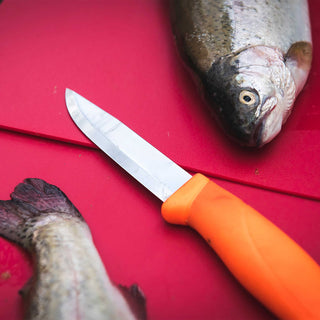
Lunch focuses on fish and aquatic species, introducing preparation and cooking methods such as:
- Ponassing
- Steaming
Any wild flour produced earlier is incorporated into the meal, reinforcing the importance of complete food systems and continuity of learning.
The course concludes with time for reflection and discussion, allowing participants to leave with clarity, confidence, and a sense of completion rather than haste.
An Example Menu
Menus vary with season and availability. Vegan alternatives are available throughout and are treated with equal care.
Friday
Evening Meal
- Dutch oven roasted pigeon with seasonal vegetables, served with burdock or silverweed and rowan berry jelly
- Dutch oven ice cream or sorbet
Saturday
Breakfast
- Wild-seeded damper loaf with blackberry jam
- Wild teas (nettles, yarrow, ground ivy, white deadnettle, Douglas fir)
Lunch
- Herb-rich bunny burgers in soft rolls
- Hedge garlic mayonnaise or mustard and hawthorn ketchup
Evening Meal
- Venison backstrap wrapped in bacon, cooked in dock leaves in the embers
- Ground oven roasted venison with hogweed seed mash and fried wild greens
- Wild apple and blackberry crumble with infused cream
Sunday
Breakfast
- Scrambled eggs with additional fried protein
- Dandelion coffee
Lunch
- Crayfish and fish chowder with spelt bread
In Summary
The Wild Food Foraging and Preparation Weekend is defined by restraint, competence, and depth. It reconnects participants with food at its source while developing practical skills that are relevant, repeatable, and enduring.
For those seeking a premium, skill-led introduction to wild food, delivered with professionalism, care, and respect for the seasons, this weekend offers a quietly exceptional experience.