
The Woodland Ways Maasai Warrior Expedition is a quietly exceptional cultural immersion into the heart of Kenya’s Great Rift Valley—designed for those who seek depth, authenticity, and meaningful human connection rather than observation or spectacle. This is a carefully facilitated invitation to live alongside a Maasai community, to learn through participation, and to gain insight into a culture whose relationship with land, livestock, and lineage remains profoundly intact.
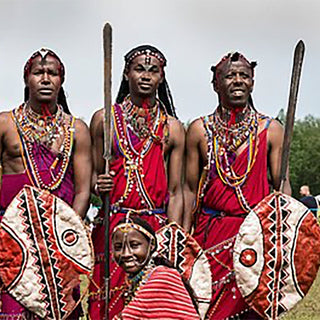
Often referred to as the cradle of humankind, the Rift Valley is a landscape of immense geological and anthropological significance. Within this terrain, the Maasai people have maintained a strong and coherent identity for centuries, guided by systems of knowledge, responsibility, and resilience that continue to shape daily life. Throughout the expedition, participants are welcomed into this world with generosity and candour, learning directly from elders, warriors, and families in a manner that is respectful, measured, and unhurried.
This is not a cultural performance. It is a shared experience, built on trust, presence, and mutual respect.




1. Choose the number of places you want to book.
2. Choose to pay a deposit or the full amount.
The balance payment is required no less than 8 weeks before your course commences. You will receive an invoice shortly after booking for the balance payment.
Please pay in full if the course start date falls within that period.
3. Select course date.
4. Click ’Next’ and complete the attendee details for each place you have booked.
The Woodland Ways Maasai Warrior Expedition is a quietly exceptional cultural immersion into the heart of Kenya’s Great Rift Valley—designed for those who seek depth, authenticity, and meaningful human connection rather than observation or spectacle. This is a carefully facilitated invitation to live alongside a Maasai community, to learn through participation, and to gain insight into a culture whose relationship with land, livestock, and lineage remains profoundly intact.
Often referred to as the cradle of humankind, the Rift Valley is a landscape of immense geological and anthropological significance. Within this terrain, the Maasai people have maintained a strong and coherent identity for centuries, guided by systems of knowledge, responsibility, and resilience that continue to shape daily life. Throughout the expedition, participants are welcomed into this world with generosity and candour, learning directly from elders, warriors, and families in a manner that is respectful, measured, and unhurried.
This is not a cultural performance. It is a shared experience, built on trust, presence, and mutual respect.
Long-Term Partnership & Ethical Engagement
Woodland Ways’ relationship with this Maasai community extends well beyond the expedition itself. A portion of each participant’s fee is reinvested directly into village-led projects that support education, infrastructure, and long-term sustainability.
Contributions to date include:
- Construction of an initial primary school classroom in 2012
- Expansion to three additional classrooms between 2013–2016, including funding for teachers’ salaries, educational resources, and a child feeding programme
- Installation of solar power, sanitation facilities, and continued teacher training from 2017 onwards
All support is delivered directly to the community without intermediaries. These initiatives are guided by the village’s own priorities and are sustained through long-term relationships rather than short-term intervention.
Arrival & Introduction to the Landscape
The expedition begins in Nairobi, where participants are met by Woodland Ways staff and Maasai hosts. From here, travel continues west toward the Ngong Hills, rising above the Rift Valley and offering expansive views across the Maasai homeland.
This initial phase provides time to acclimatise, recover from travel, and begin to understand the landscape that sustains village life. Participants are introduced to traditionally used medicinal plants, local resources, and the broader ecological context of the region.
Accommodation for the first two nights is in a small, comfortable guesthouse. During this period, participants are welcomed into local Maasai households to share meals and observe daily routines—an important foundation for the deeper immersion that follows.


Journey into the Village
After the introductory period, the group travels by 4×4 vehicle deeper into the Rift Valley, passing through a traditional market before reaching the remote Maasai village that will serve as home for the remainder of the expedition.
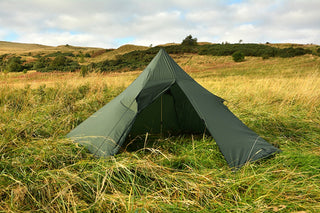
On arrival, participants are received by the community and guided to a discreet area to setup our tented camp located just beyond the village boundary. With instruction from Maasai hosts, the group assists in the construction of a traditional boma—an acacia thorn enclosure used to protect livestock. This shared task marks a symbolic transition from visitor to participant and establishes a sense of belonging within the community.
Life Within the Community
From day three through to day eleven, daily life unfolds according to the rhythm of the village. Activities are loosely structured but remain flexible, responding to weather, livestock needs, ceremonies, and opportunity.
Participants may be involved in:
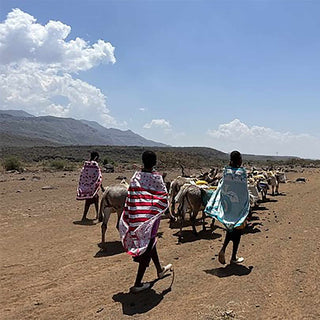
- Walking long distances with Maasai companions to collect water and transport supplies
- Learning the techniques and materials used to construct traditional Maasai dwellings
- Practising friction fire lighting using ancestral methods
- Herding cattle and goats across open savannah
- Visiting Lake Magadi, known for its mineral-rich shores and flamingo populations
- Creating traditional Maasai beadwork, guided by skilled artisans
- Exploring Olorgesailie, a globally significant archaeological site containing hominid tools dating back more than 500,000 years
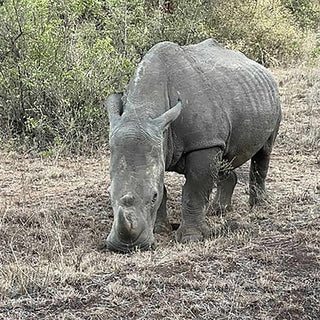
Tracking and environmental awareness are woven naturally into daily movement. The surrounding landscape supports wildlife such as giraffe, antelope, hyena, leopard, and numerous bird species. Reading sign, understanding animal behaviour, and moving attentively through the environment become instinctive rather than instructional.
The Value of Unscripted Time
While certain activities provide structure, the most meaningful moments are often unplanned: sharing tea in a smoke-darkened hut, listening to stories told by elders, assisting with an unexpected task, or simply observing village life unfold at its own pace.
As the expedition draws to a close, the community hosts an afternoon of celebration, often involving singing, dancing, and shared laughter. The final evening is marked by a communal feast—an expression of hospitality, gratitude, and mutual respect.
Expectations & Participation
This expedition is intentionally small-scale and participatory. Participants are expected to engage fully—assisting with daily tasks, adapting to conditions, and approaching all interactions with humility and openness.
Comfort is simple but sufficient. The reward lies not in luxury, but in access, understanding, and genuine connection.
In Summary
The Maasai Warrior Expedition offers an experience of rare depth—one that moves beyond observation into shared life and mutual learning.
Participants return with a grounded understanding of Maasai culture, a deeper appreciation of land-based living, and a perspective shaped by time spent within a community that values responsibility, resilience, and continuity.
For those seeking an ethically grounded cultural expedition, delivered with discretion, integrity, and respect, this journey stands apart.
Safety & Professional Standards
All Woodland Ways expeditions operate in accordance with The Package Travel and Linked Travel Arrangements Regulations 2018, ensuring financial protection where applicable. Overseas expeditions are aligned with the British Safety Standard BS8848, reflecting our commitment to rigorous planning, risk management, and professional delivery.
Expeditions into extreme environments require experience, preparation, and accountability. Woodland Ways and our trusted partners are long‑established, highly regarded, and operate to exacting professional standards. We welcome informed questions and are confident in the systems in place to support you throughout this exceptional expedition.